



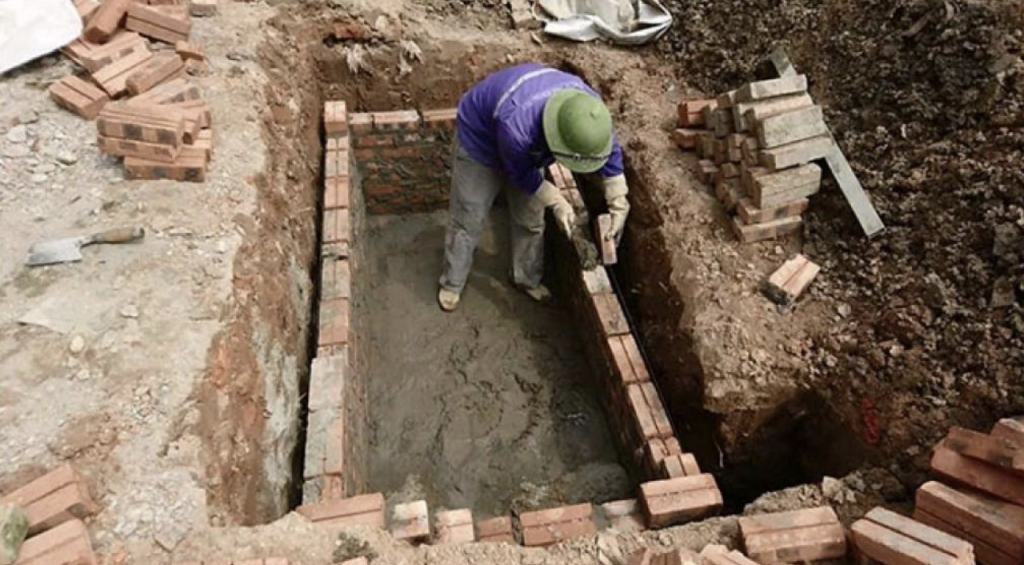
Sanitation remains a foundational yet often under-prioritized component of the WASH sector in Khyber Pakhtunkhwa. While progress has been made in expanding access, challenges persist in ensuring safe treatment, disposal, and reuse of wastewater and fecal sludge. Both on-site systems (such as septic tanks and pit latrines) and off-site systems (sewerage networks and centralized treatment) require context-specific approaches that are technically feasible, economically viable, and environmentally sustainable.
Strengthening sanitation systems demands not only infrastructure investment but also a deeper understanding of economic trade-offs, public perception, and long-term planning priorities.
WASHNet encourages academia to explore the following key research areas:
- Why there is low value perception of sanitation due to which sanitation is low on development budget and planning priority
- KP appropriate Wastewater treatment and fecal sludge management technologies and their economic feasibilities
- Economic cost of not treating wastewater
- Urban Flooding and its cost-effective remedies
Addressing sanitation challenges requires a shift towards integrated planning, where technical solutions are supported by strong policy frameworks and community engagement. Academic research can play a critical role in generating evidence to guide investments, improve system design, and elevate sanitation as a development priority in Khyber Pakhtunkhwa.