



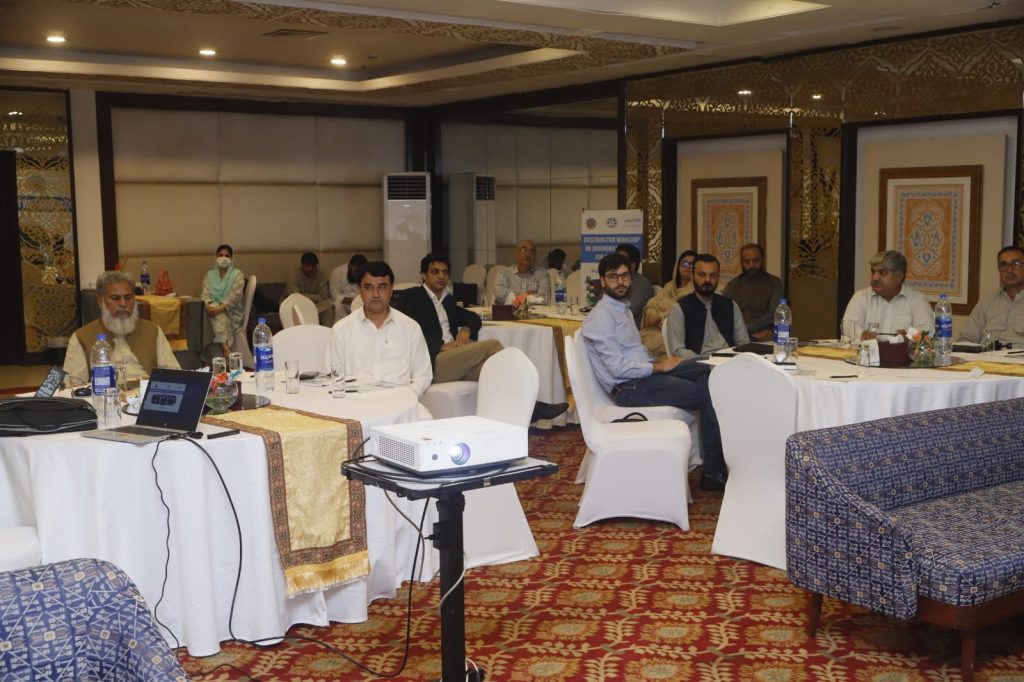
A critical groundwater security crisis facing Peshawar was the focus of a high-level dissemination workshop held on Wednesday, September 9th. The event, co-hosted by the National Institute for Urban Infrastructure Planning (NIUIP), UNICEF, and the Water and Sanitation Services Company Peshawar (WSSP), brought together key government officials, development partners, academia, and private sector representatives to address the alarming depletion of the city’s aquifer.
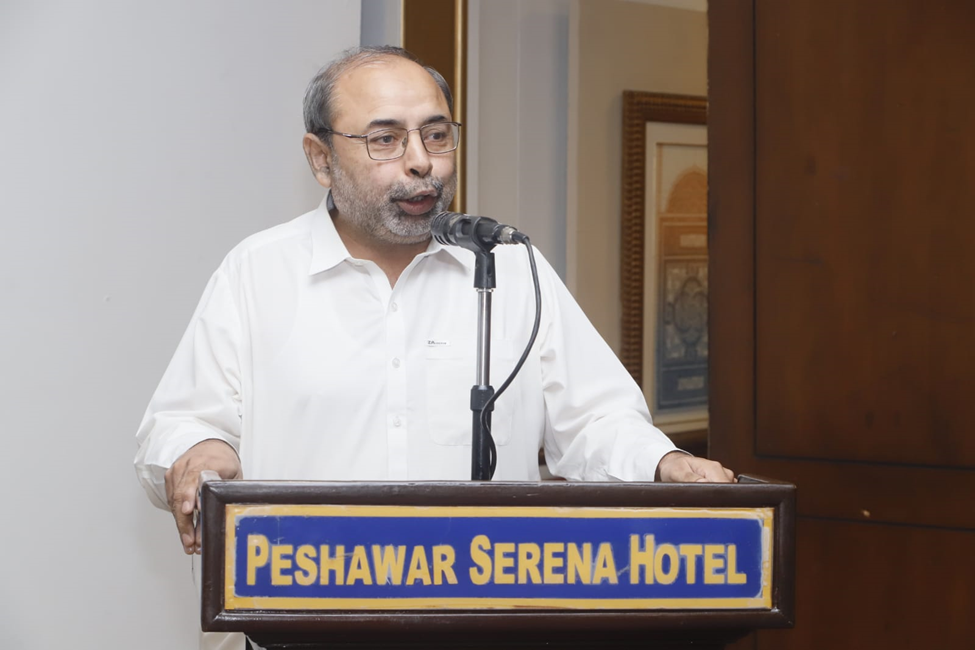
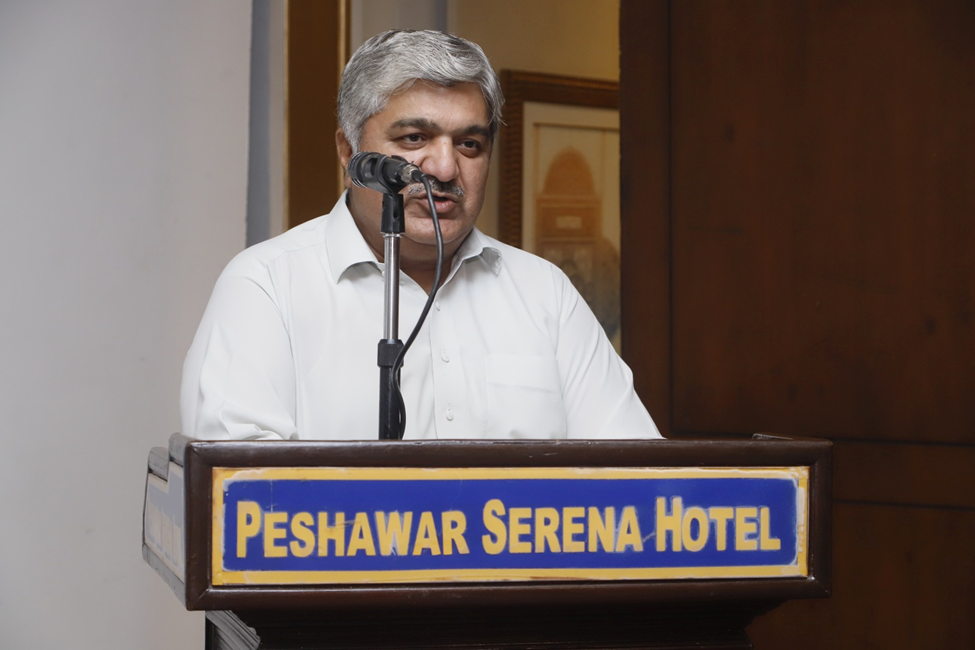
The Secretary Provincial Assembly Khyber
The workshop marked the culmination of a comprehensive technical study conducted by NIUIP in partnership with the WSSP and with technical and financial support from the UNICEF. The study utilized advanced 3D hydrogeological modeling, geophysical surveying, and geospatial analysis to assess the region’s water future.
The Sobering Findings
Presenters revealed a threefold imbalance between the aquifer’s safe yield and current abstraction rates. This unsustainable extraction is causing water tables to decline at an alarming rate of approximately 1.45 meters annually, with some central urban zones experiencing declines of up to 3.58 meters per year. The study warns that under current practices, the basin cannot support projected demand, which is expected to reach 182 MGD by 2045.
Expert Recommendations
The workshop featured detailed presentations on the methodology, findings, and future work needed to scale similar studies across Khyber Pakhtunkhwa. Experts outlined a dual strategy moving forward:
Supply Augmentation: Investing in artificial recharge and integrating surface water sources.
Demand Management: Implementing volumetric pricing, reducing non-revenue water, and establishing a licensing regime for groundwater abstraction.
Speakers emphasized the need to transition from sporadic monitoring to real-time observation systems and to reframe groundwater from a “free common property resource” to a “managed shared asset.”
A Unified Front
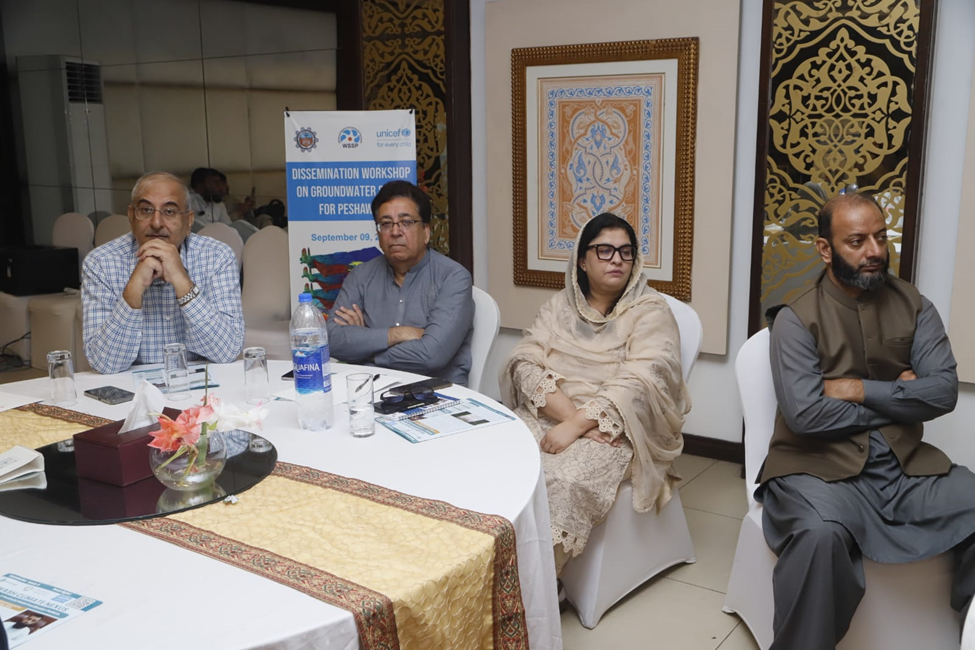
The event saw robust participation from sector stakeholders. The collective consensus was clear: institutional strengthening and immediate regulatory reform are critical to thwarting the continuing depletion of the aquifer.
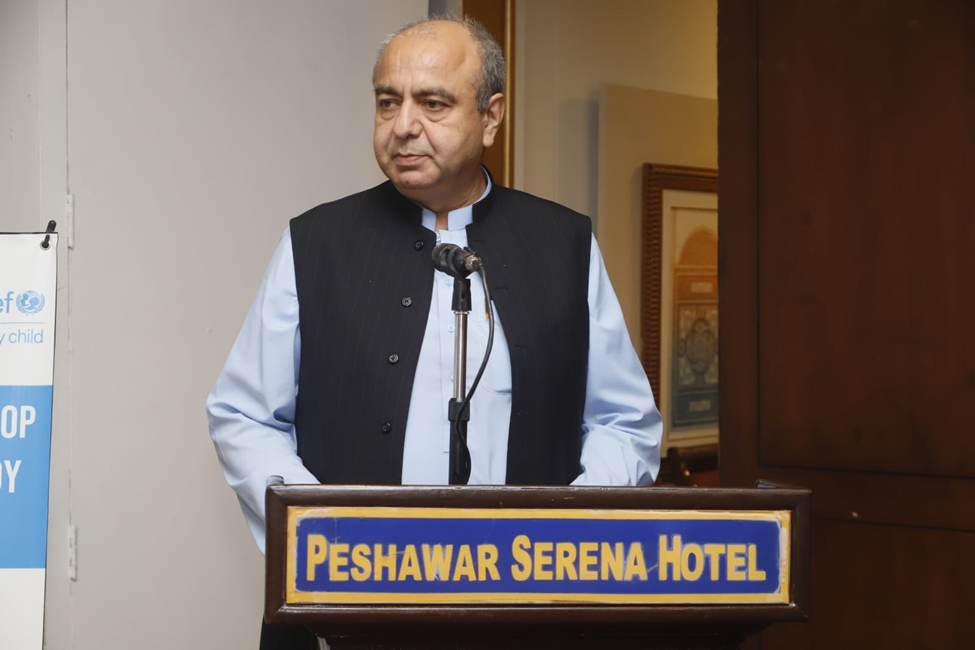
The 3D model developed through this study is now available as a decision-support tool for master planning and policy dialogue. NIUIP, UNICEF, and WSSP remain committed to supporting provincial and federal authorities in transitioning toward a sustainable water future for Peshawar.
#PeshawarWaterCrisis #GroundwaterDepletion #NIUIP #UNICEF #WSSP #WaterSecurity #SustainableDevelopment #KhyberPakhtunkhwa